
The History of MMA
Built in Chaos. Refined by War.
Mixed Martial Arts wasn’t meant to last.
It wasn’t polished. It wasn’t safe. It wasn’t approved.
It was an experiment — and most people thought it would fail.
But fighters don’t care what’s approved.
They care what works.
This is the story of how MMA was forged — from outlaw spectacle to global sport — and why everything we see on fight night today was paid for in blood, pressure, and adaptation.
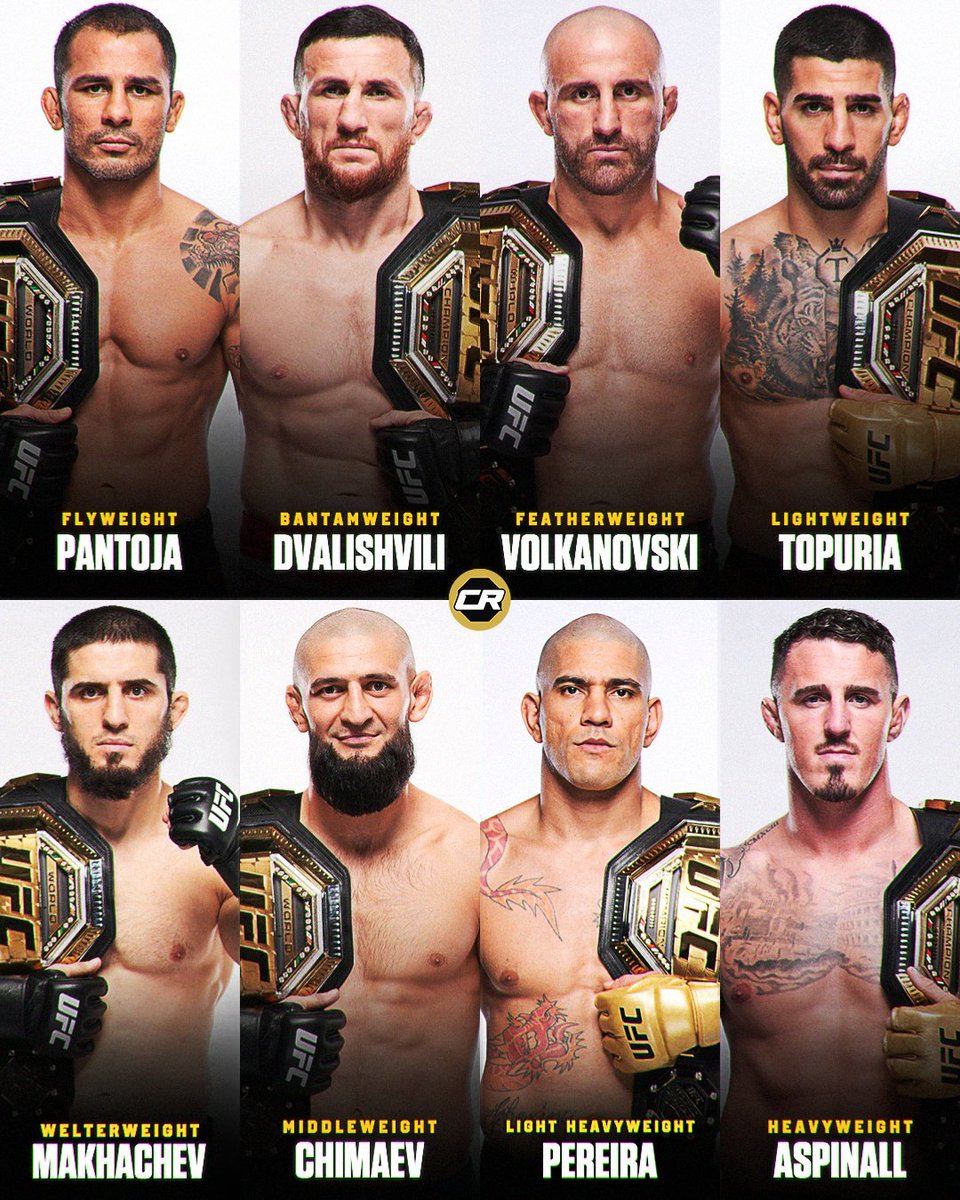
Modern Fighters, Modern MMA
If you want the modern edge of the sport — pressure, timing, and evolution — start here:
- Tom Aspinall — fast heavyweight movement, sharp boxing, elite grappling.
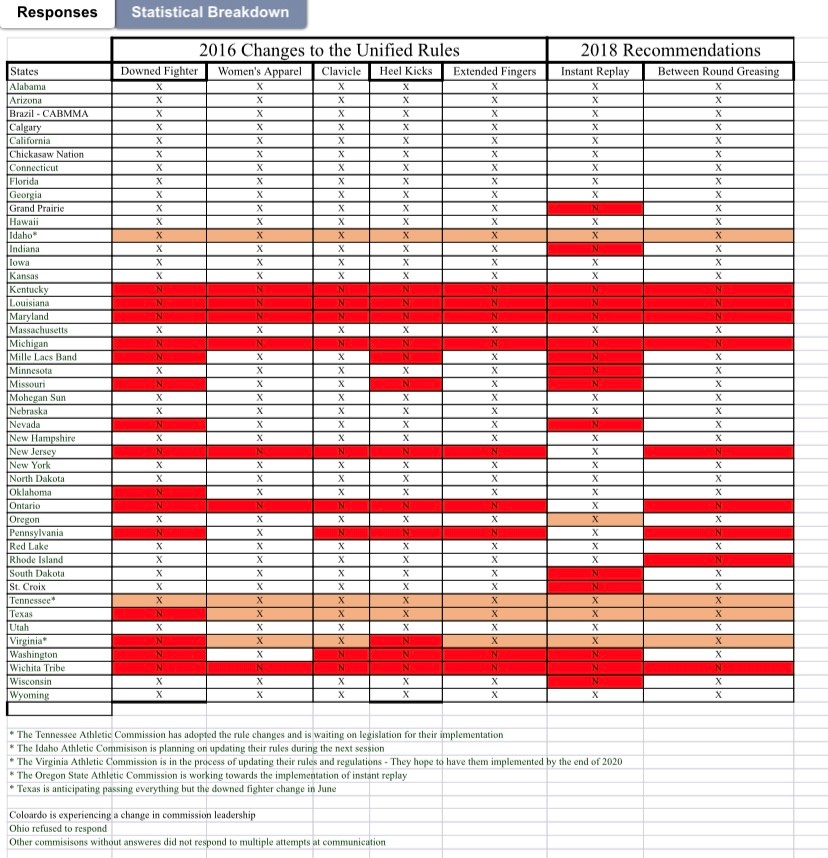
- Khabib Nurmagomedov — pressure wrestling, control, and inevitability.
Before the UFC: Fighting Without Permission
Long before the UFC, fighters were already asking the real question:
If this goes wrong — what actually works?
In Brazil, Vale Tudo fights stripped combat down to survival.
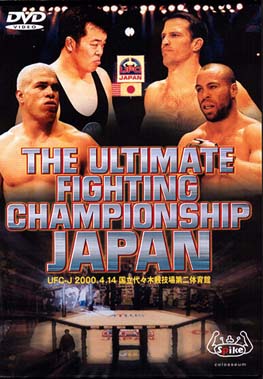
In Japan, promotions like Pancrase and Shooto experimented with blending striking and grappling under loose rules.
There were no scorecards. No branding. No safety net.
Just fighters testing themselves against reality.
That mindset — adapt or lose — became the DNA of MMA.
The Gracies: Why Grappling Changed Everything
Before MMA had weight classes and five-minute rounds, it had a simpler problem: what happens when styles collide for real?
The Gracie family didn’t invent grappling — but they made one idea impossible to ignore: if you can control where the fight happens, you can control the fight.
Brazilian Jiu-Jitsu brought a brutal kind of clarity. A smaller fighter could survive, slow the chaos down, and turn a scramble into a position. From there: pressure, patience, and inevitability.
That’s why the early “style vs style” era ended so fast. It wasn’t that striking didn’t work — it was that striking without answers to the clinch, takedown, and ground control was a countdown.
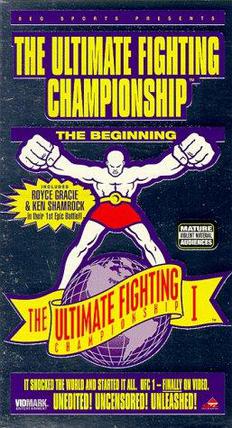
UFC 1 (1993): The Night Everything Changed


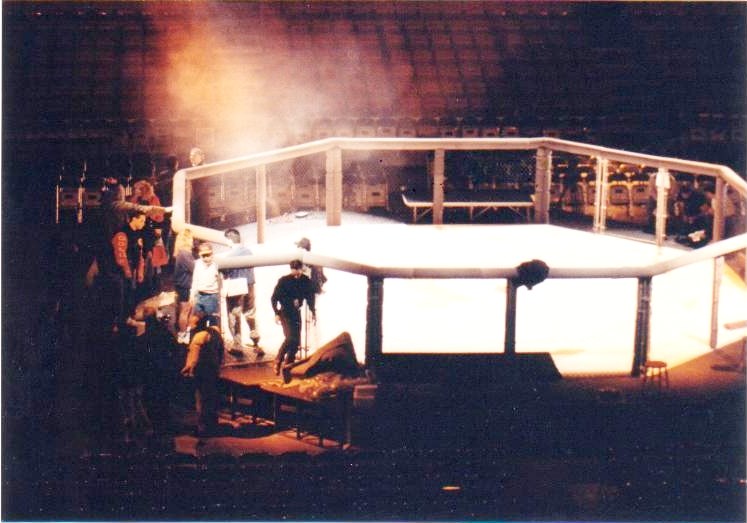
On November 12, 1993, the first Ultimate Fighting Championship event took place in Denver, Colorado.
No weight classes.
No rounds.
No idea what would happen.
The goal wasn’t entertainment — it was proof.
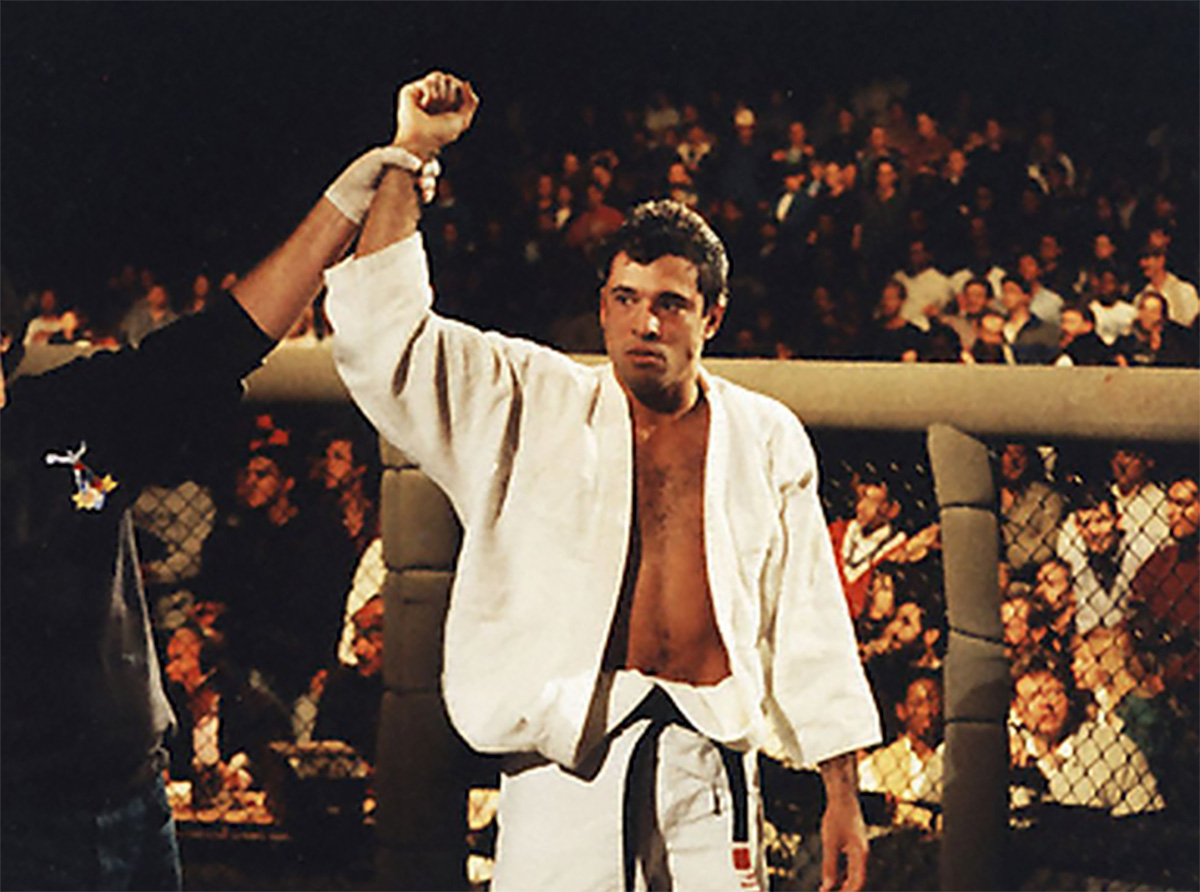
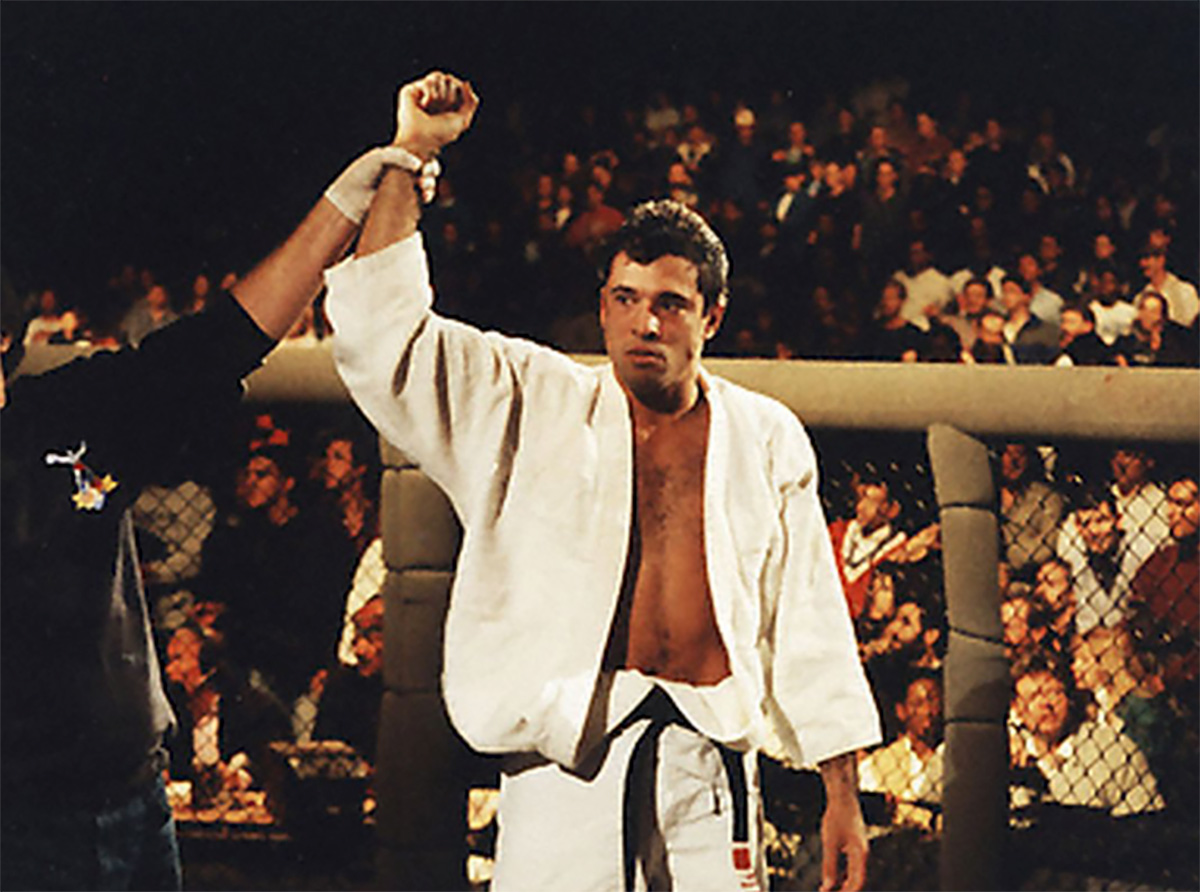
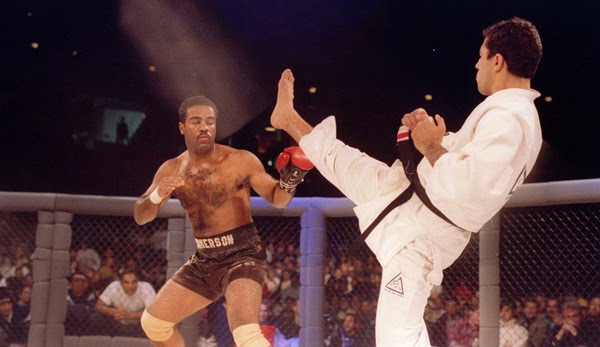
That night, Royce Gracie dismantled larger, stronger opponents using Brazilian Jiu-Jitsu. No brute force. No panic. Just control.
The message was clear:
If you can’t grapple, you can’t fight.
From that moment on, every striker, wrestler, and martial artist had a choice — evolve or disappear.
The Early UFC Years: Chaos, Backlash, Survival (1993–1999)
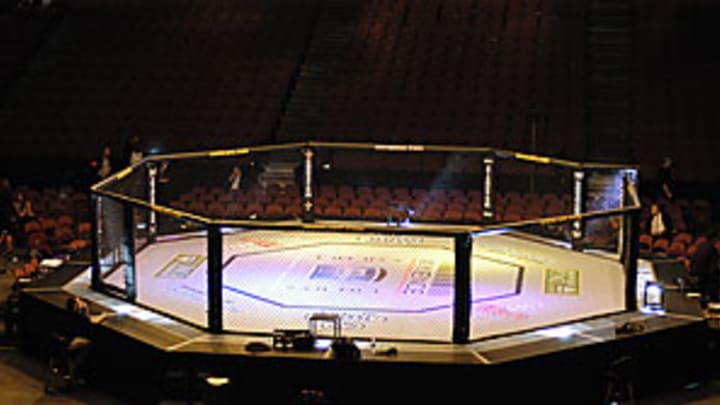
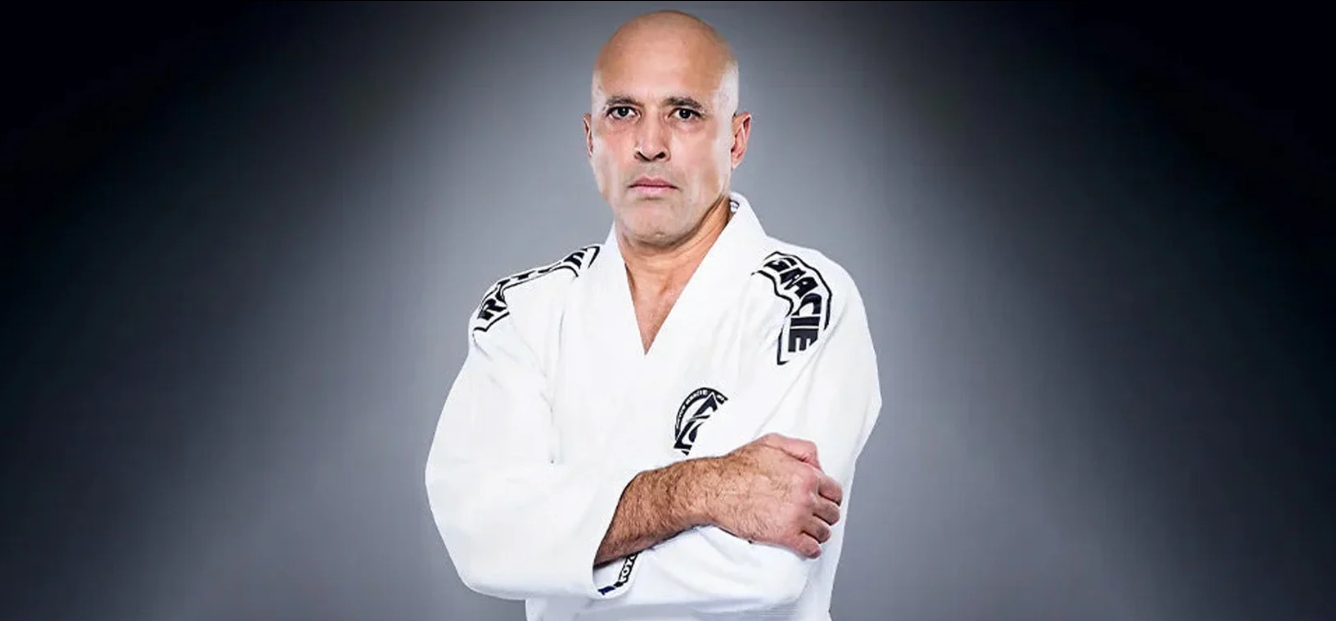
The early UFC was raw and uncomfortable.
Fights looked wild. Rules were minimal. The sport was labelled brutal, dangerous, and unacceptable for mainstream audiences.
Politicians tried to shut it down.
Broadcasters backed away.
States banned it.
But inside the cage, something important was happening.
Fighters were learning — fast.
Single-style fighters didn’t last.
Conditioning mattered.
Position mattered.
Mental pressure broke people faster than strikes.
MMA wasn’t becoming softer.
It was becoming smarter.
Japan’s Golden Age: PRIDE and the Rise of the Spectacle
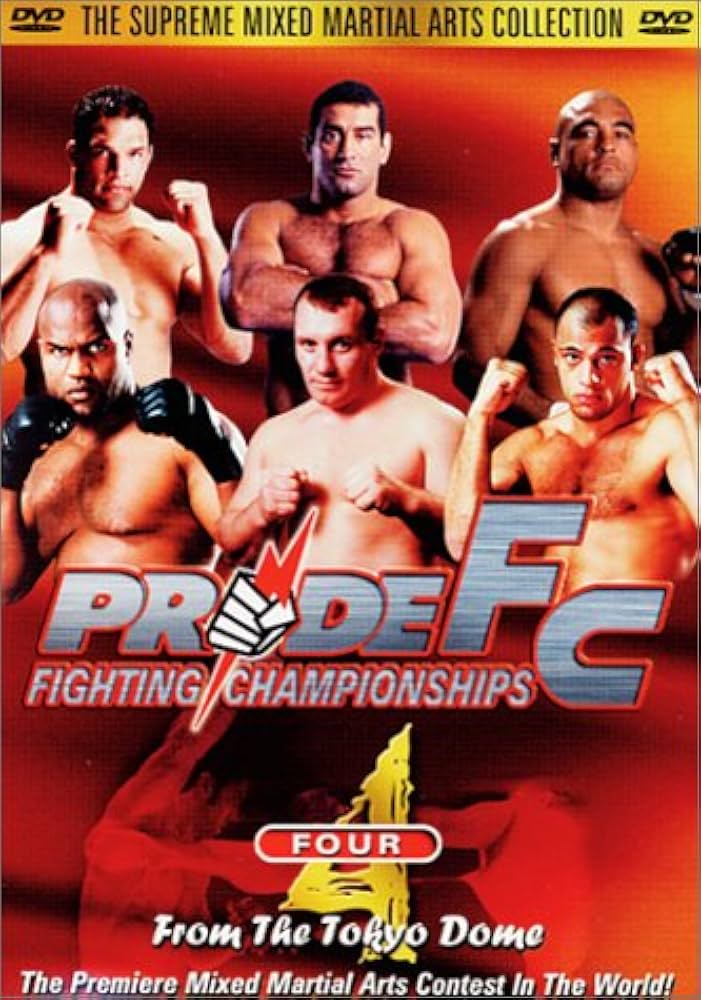
While the UFC fought for survival in the West, Japan embraced MMA.
PRIDE Fighting Championships turned fighting into theatre:
- Massive arenas
- Grand entrances
- High-level talent from around the world
PRIDE showed what MMA could be when embraced — not hidden.
Its influence still shapes how fight nights feel today.
Regulation: When MMA Became a Real Sport (2000–2001)
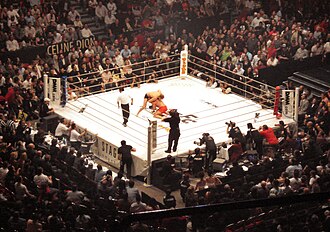
MMA didn’t survive by staying wild.
It survived by adapting.
The introduction of the Unified Rules of MMA changed everything:
- Weight classes
- Time limits
- Medical standards
- Judging criteria
This wasn’t the sport being tamed.
It was the sport being legitimised.
Now MMA could be sanctioned, televised, and scaled.
Zuffa Buys the UFC: Rebuilding From the Ground Up (2001)


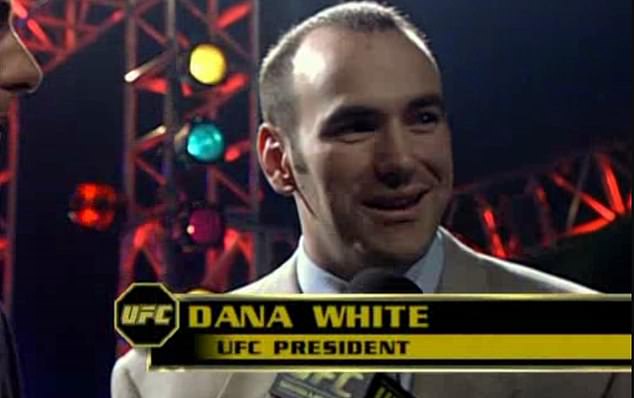
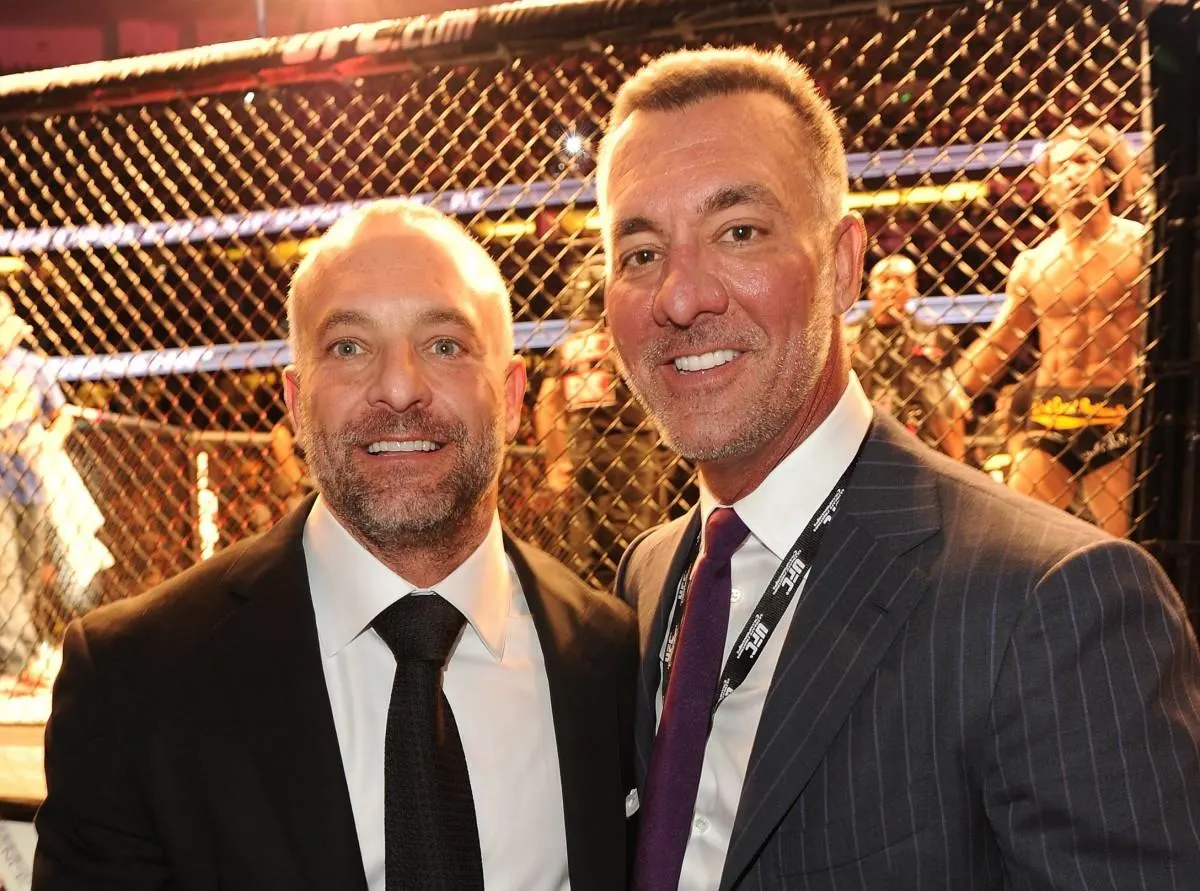
In 2001, the UFC was bought for $2 million by Zuffa.
Most people thought it was a bad investment.
But under new leadership, including Dana White, the UFC focused on:
- Regulation
- Consistency
- Long-term survival
It wasn’t flashy.
It was necessary.
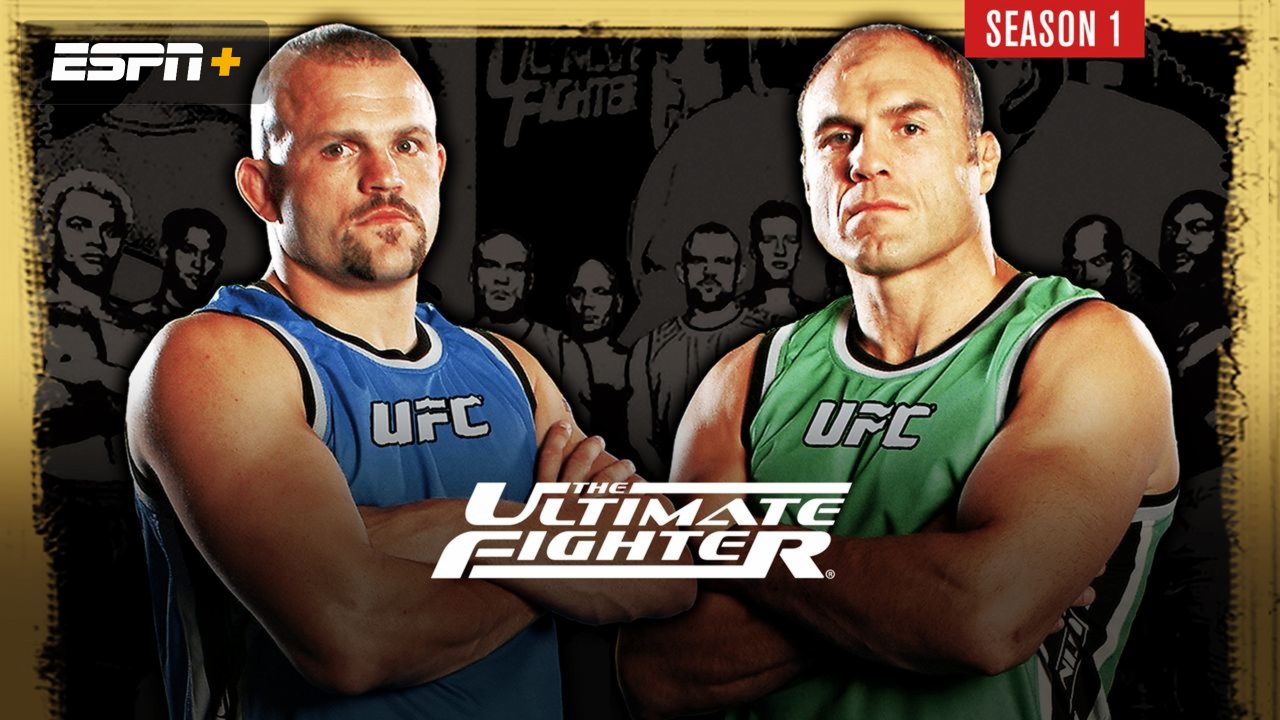
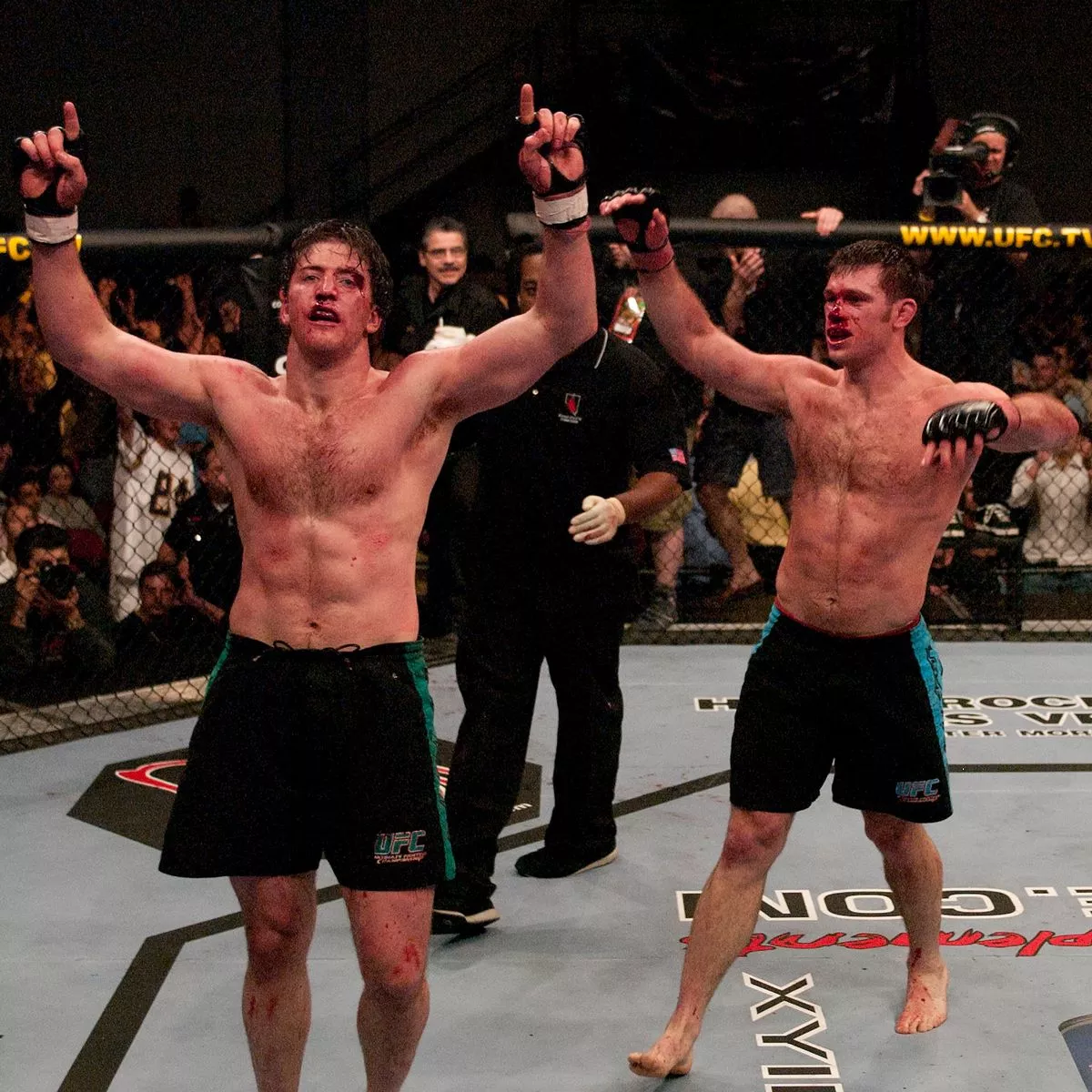
The Ultimate Fighter (2005): The Turning Point
The UFC nearly died before it ever broke through.
Then came The Ultimate Fighter.
Reality TV put fighters in front of fans — not just as athletes, but as people under pressure. The finale fight became legendary and proved something critical:
People didn’t just want fights.
They wanted stories.
From this point on, MMA was no longer underground.
It was inevitable.
One Banner: The UFC Becomes the Center (2007–2011)
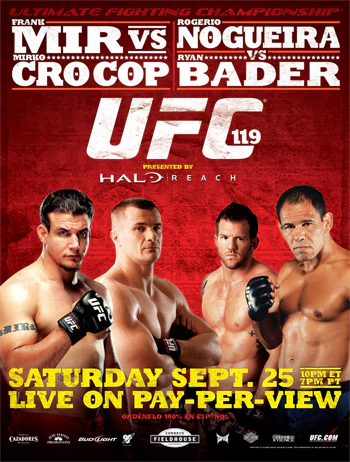
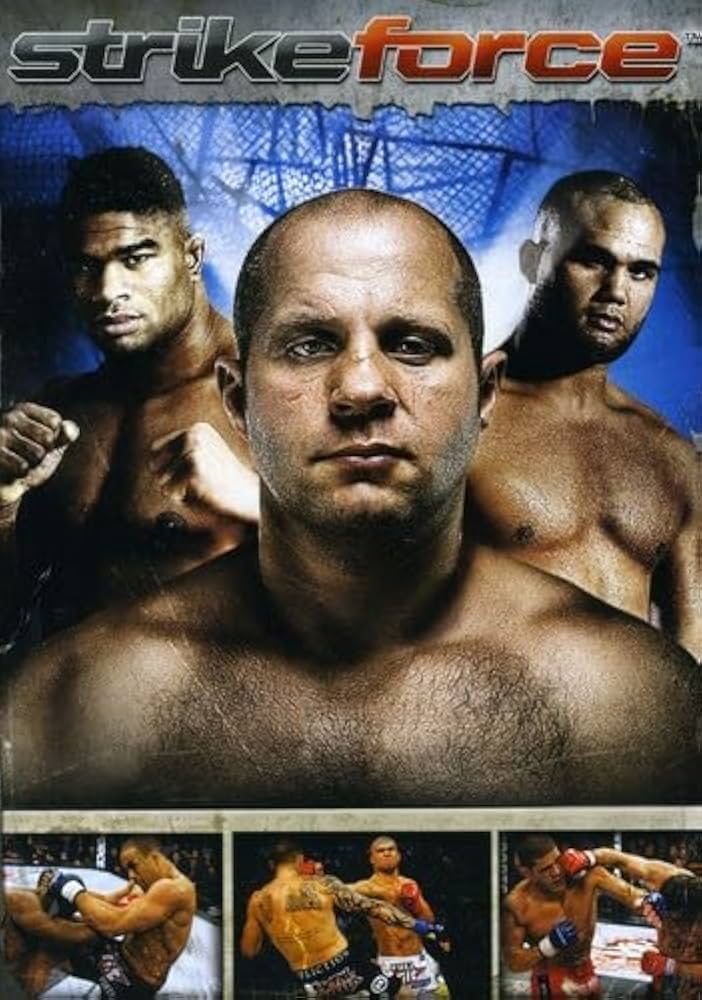
Between 2007 and 2011, the UFC absorbed nearly every major rival:
- PRIDE
- WEC
- Strikeforce
The best fighters.
The biggest stages.
One destination.
The sport finally had a clear peak — and the roster started to feel like a single world league instead of scattered islands.
This is also when MMA began to prove it could create eras — not just events.
Chuck Liddell: The First Modern UFC Star
Long before social media turned fighters into daily content, the UFC needed a face that casual fans could understand instantly.
Chuck Liddell became that face. The look. The swagger. The sprawl-and-brawl style that felt like a guarantee: he’d keep it standing, then break you with power.
More importantly, he helped make the UFC feel like a real sport with real stars — not just an experiment. Rivalries mattered. Title fights mattered. The audience started to recognise names, not just highlights.
Anderson Silva: The Illusion of Control
Anderson Silva didn’t just win fights — he made elite opponents look like they were swinging at shadows.
He used distance like a trap. He punished mistakes like a teacher. And he fought with a calm that made everything feel slower around him.
The impact was massive: striking in MMA stopped being “toughness and power” and became timing, reads, and layered defence. Fighters had to learn that a clean look is often a setup — and the counter is the real weapon.
Chael Sonnen: The Blueprint for Pressure (and Promotion)
Chael Sonnen changed two things at once.
First, the microphone. He proved that talk isn’t decoration — it’s leverage. It raises the stakes, shifts attention, and makes a fight feel like it has consequences beyond the cage door.
Second, the style. His approach was a masterclass in pace and position: push you to the fence, chain the takedown, stay heavy, win minutes, drown the moment.
Even when he didn’t win the belt, he left a lasting lesson: the fight isn’t just a finish — it’s a set of problems you can force your opponent to solve, over and over, until they break.
Georges St-Pierre (GSP): The Prototype of the Complete Champion
If early MMA was about proving a style, and the mid-2000s were about building stars, GSP represented the next evolution: the champion as a system.
He blended wrestling entries with clean boxing, controlled risk, and treated preparation like a science. He didn’t rely on chaos — he reduced chaos.
His legacy is everywhere now: modern champions train to be hard to beat first, spectacular second. The goal is to win exchanges, win minutes, win rounds — and only then hunt the finish.
Women’s MMA and Global Stardom (2012–2016)

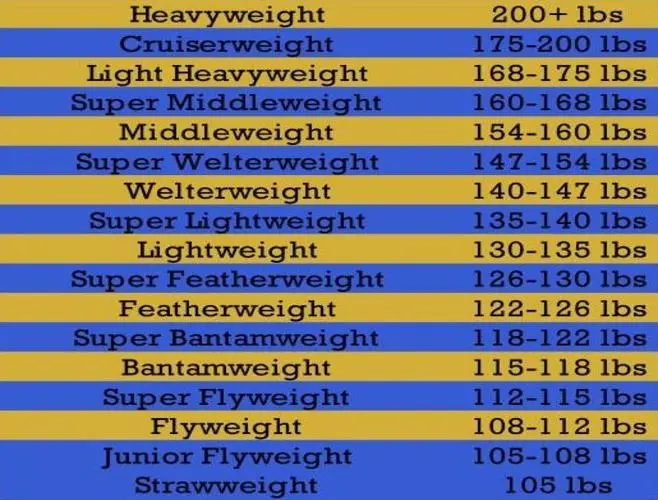
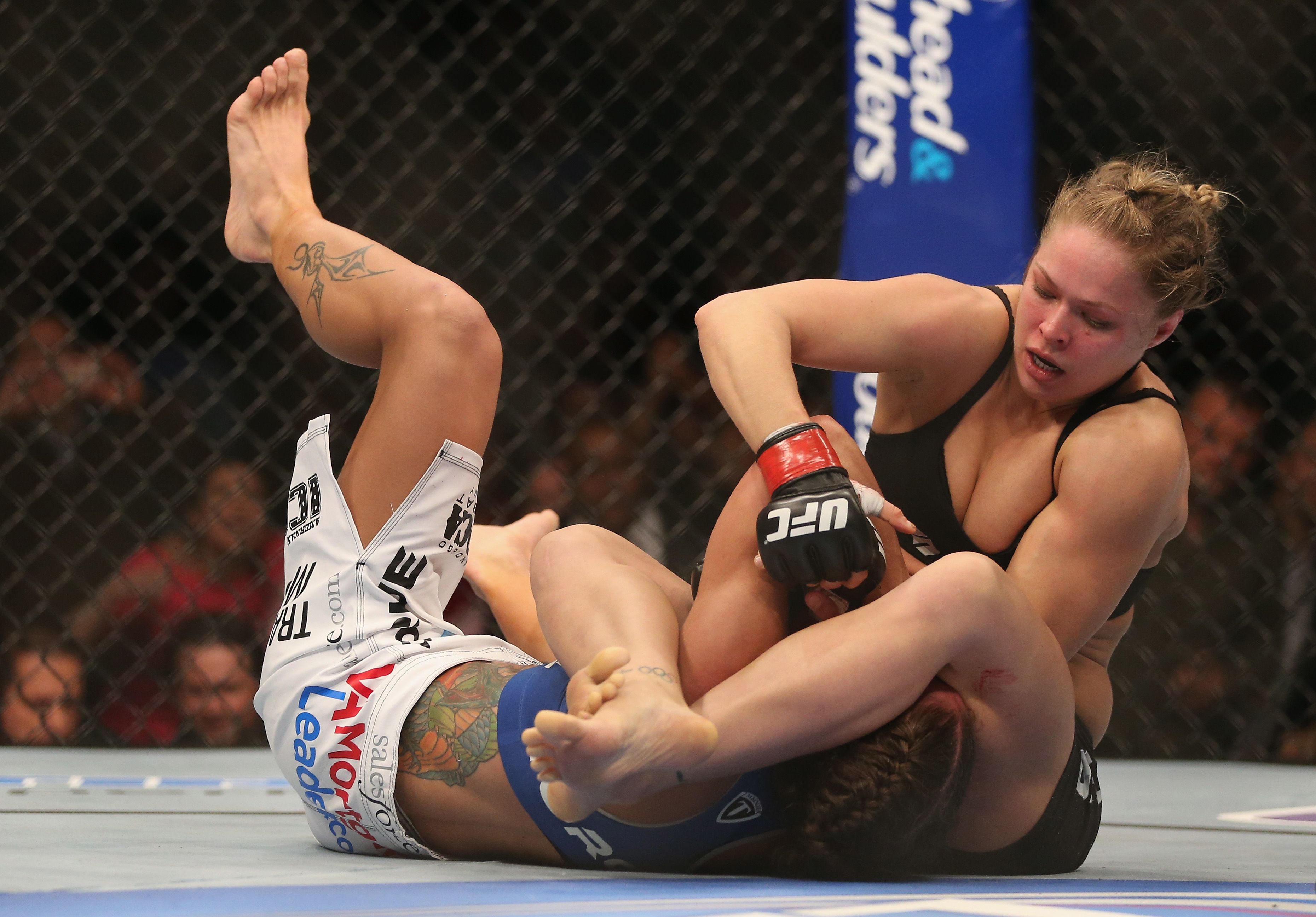
In 2012, women entered the UFC — and never left.
Led by Ronda Rousey, women’s MMA proved it belonged at the highest level.
Rousey’s rise did more than sell tickets — it changed the culture. It forced the conversation from “Should women be here?” to “Who’s next?” and opened a lane for future champions to be treated like stars, not exceptions.
This period also delivered a new kind of fame — fighters who weren’t just elite, but globally recognisable.
Conor McGregor: The Career That Turned MMA Into Pop Culture
Conor McGregor wasn’t the first star — but he was the first to make MMA feel like it belonged in the same cultural lane as boxing megafights and global sports icons.
His rise combined three forces:
- Precision striking: clean reads, sharp counters, and brutal punishment for predictable entries.
- Belief as a weapon: he fought like he already owned the moment — and opponents felt it.
- Promotion as pressure: talk that wasn’t random, but targeted — a way to shape the narrative and raise the stakes.
At his peak, fight week became theatre and the fight itself felt like the final scene. The sport learned a permanent lesson: performance matters, but story + personality + stakes can turn a great fight into a global event.
In 2016:
- The UFC sold for ~$4 billion
- MMA hit Madison Square Garden
- The sport crossed fully into mainstream culture
MMA had arrived.
The ESPN Era: MMA Every Week (2018–2023)
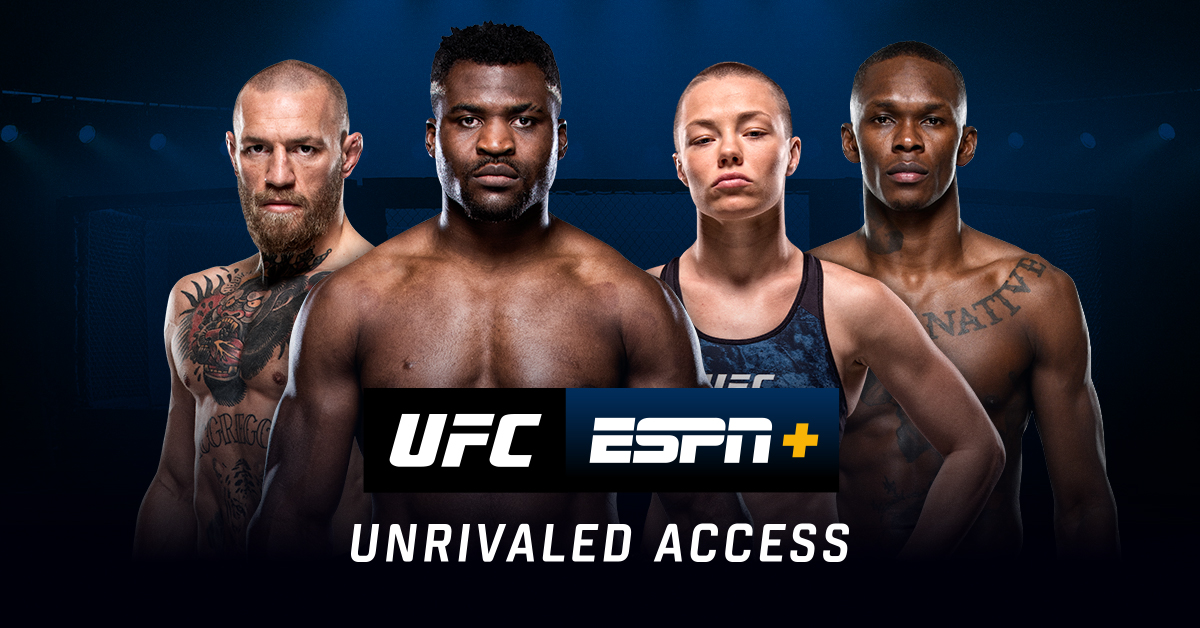
The ESPN deal changed how fans consumed MMA.
More events.
More fighters.
More access.
Fight night wasn’t a rare occasion anymore — it was part of the rhythm of life.
And then the world changed.
Fight Island: How the Sport Stayed Alive Under Pressure
When the pandemic froze live sport, MMA faced a rare test: not a matchup problem — a reality problem.
Events require travel, commissions, medical checks, crews, fighters, corners, officials, broadcast partners — and a thousand details that only show up when something goes wrong.
“Fight Island” became the solution and the symbol. A controlled environment designed to keep the machine moving when everything else stopped: consistent testing, quarantine logistics, and repeatable event operations.
It was controversial. It drew criticism. But the effect was undeniable: while most sports disappeared, MMA became the weekly constant — and a new wave of fans found it because it was simply still there.
The ESPN era also helped build the modern pipeline: more opportunities, more turnover, more prospects getting real cage time. The sport started to feel like an ecosystem — not just a handful of stars at the top.
Demetrious Johnson: The Skill Ceiling Moves Up
In a sport obsessed with knockouts and trash talk, Demetrious Johnson represented a different truth: the highest level of MMA looks like fluid problem-solving.
He blended speed, timing, clinch craft, wrestling chains, and transitions so clean they felt inevitable. The takeaway wasn’t just “he’s great” — it was that the sport’s skill ceiling had risen.
Modern fighters study that kind of completeness because it shows what happens when every phase connects: striking to entry, entry to control, control to threat, threat to escape denial. No wasted movement. No dead positions.
The Modern Era: Precision Over Chaos (2023–Present)
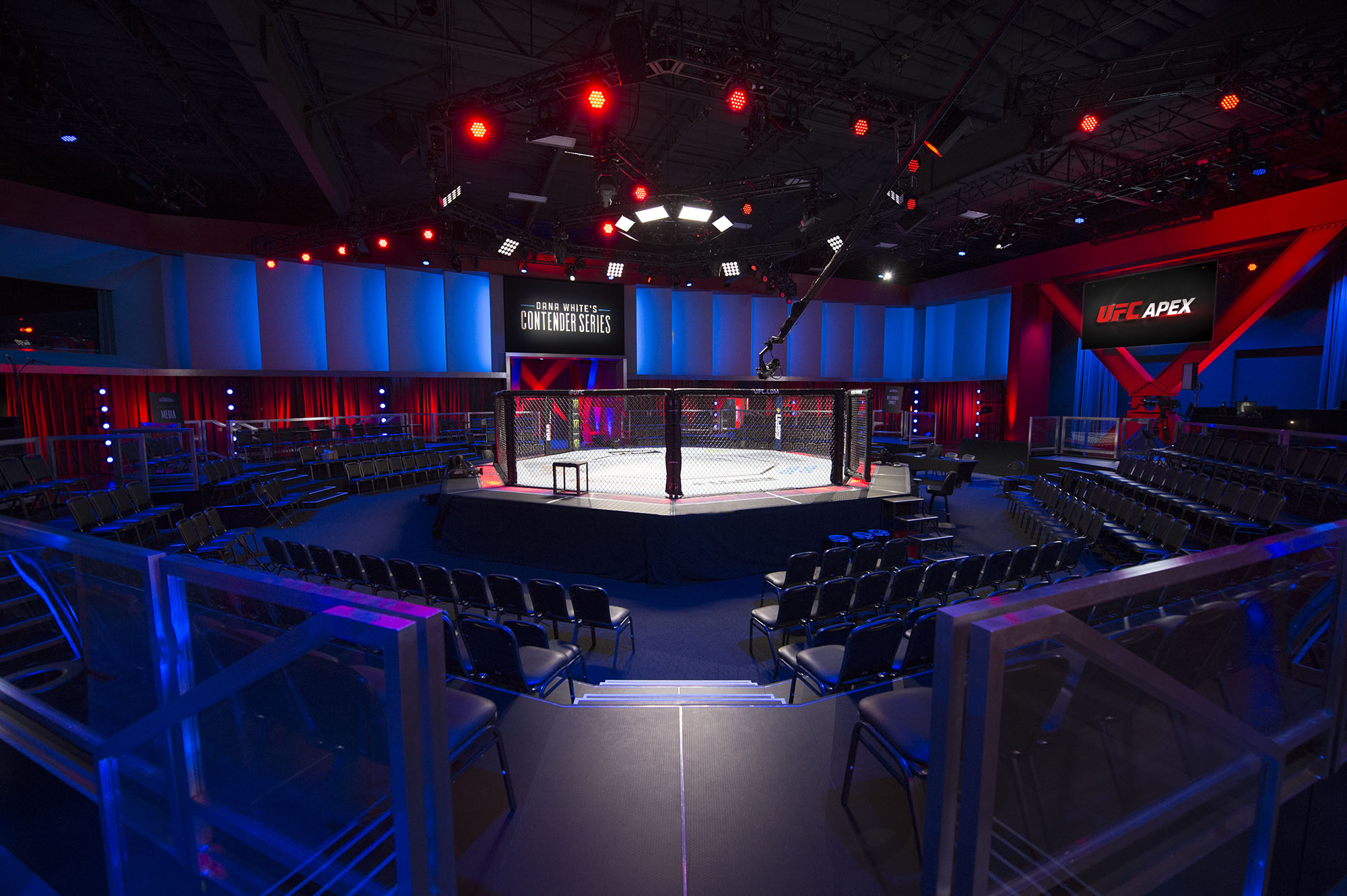
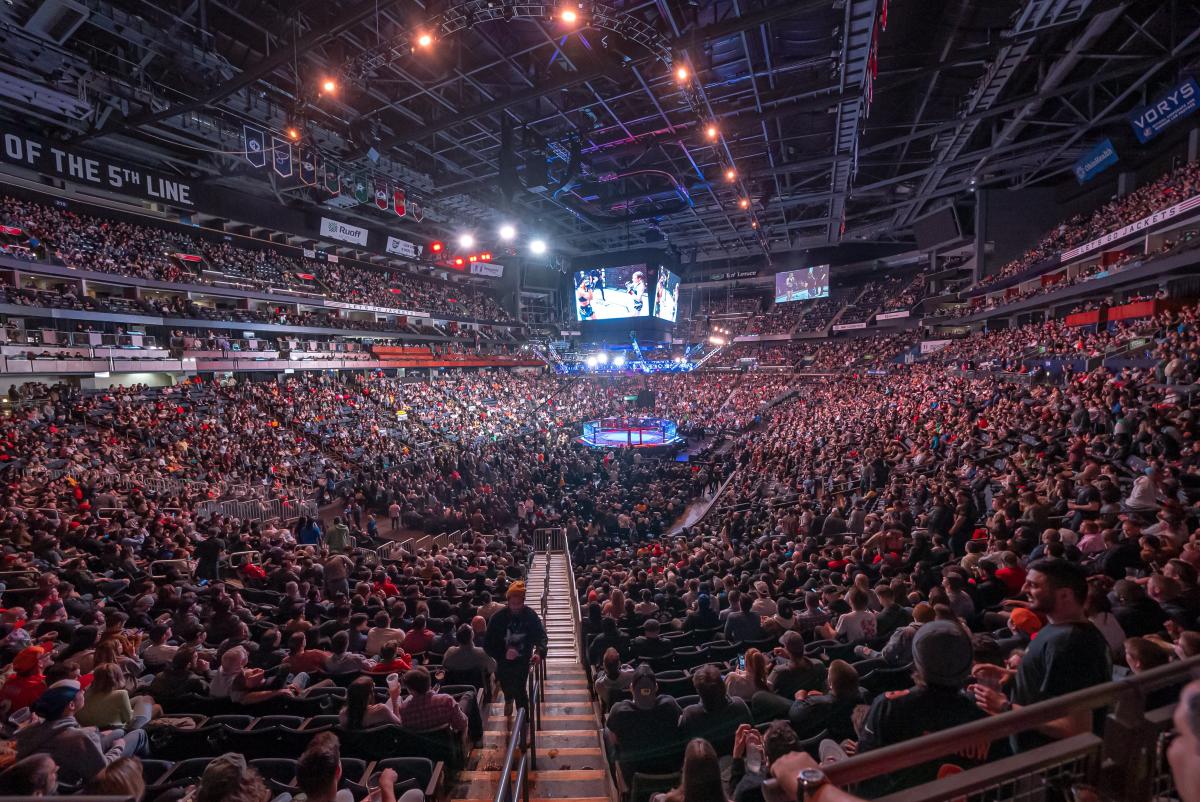
Today’s MMA is sharp.
Fighters are complete systems — not specialists.
Game plans matter.
Margins are razor thin.
Preparation is different now. Camps are built around specific win conditions: how to force your opponent into the wrong exchanges, how to win minutes, how to deny momentum. The best teams treat fight night like a problem to solve — with footage, patterns, pressure management, and repeatable decisions.
And because the baseline skill level is so high, “small” things decide everything: cage positioning, hand-fighting, feints, clinch awareness, round management, and the ability to stay calm while exhausted.
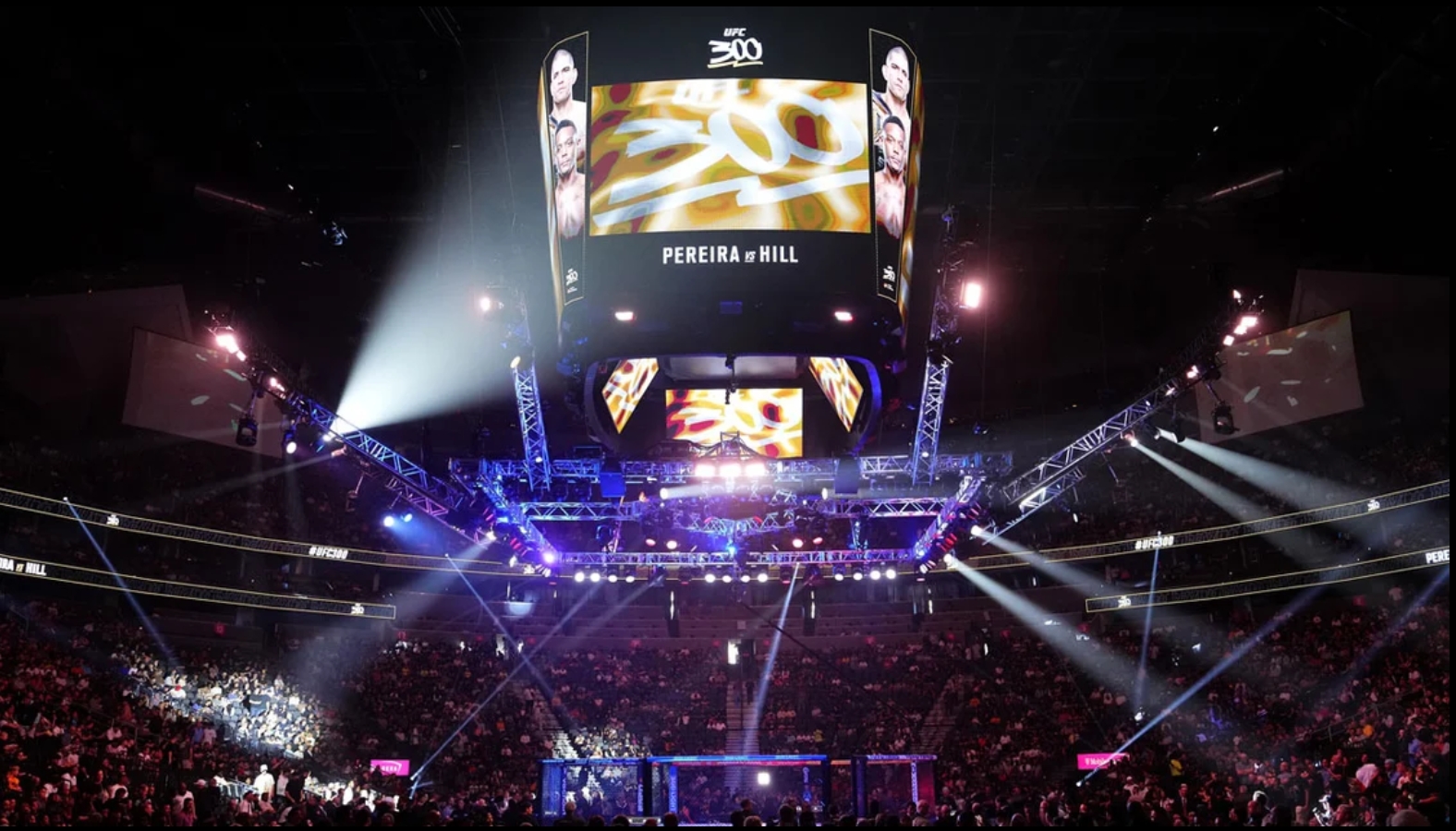
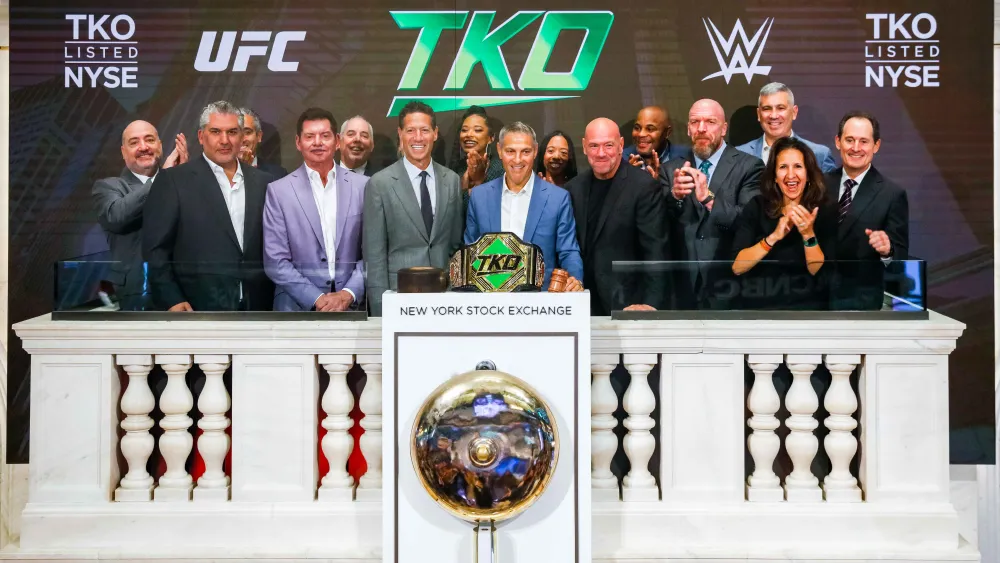
Under TKO Group Holdings, the UFC continues to scale globally — but the core hasn’t changed.
You still step into the cage alone.
You still adapt or break.
Jon Jones: The Career That Defined Adaptation
Jon Jones became the symbol of a modern MMA truth: the best fighters don’t just have weapons — they have answers.
Across his career, the pattern has been adjustment: using reach and timing to control range, mixing wrestling threats to keep opponents guessing, and changing strategies mid-fight when the first plan stops working.
His legacy (inside the cage) is the idea that dominance isn’t one style — it’s the ability to take away your opponent’s best options, then win the fight that remains.
2026 Paramount era: What’s next
The next era won’t be defined by a single style — it’ll be defined by distribution and reach.
If the UFC’s next media chapter becomes a “Paramount era” (or any new broadcast home), expect the sport to get even easier to follow week-to-week: more mainstream visibility, more cross-promotion, and more casual fans turning into regular viewers.
But inside the cage, the trend stays the same: complete fighters, smarter risk, faster adaptation. The chaos is still there — it’s just hidden under precision.
Why MMA Matters
MMA isn’t just a sport.
It’s pressure made visible.
It’s discipline tested in public.
It’s control in chaos.
That’s why fight nights mean something.
That’s why fans feel it.
That’s why this culture exists.
For the nights we live for.